Knowledge Center
Energy Savings Through Proper Water Treatment: What Most Facilities Miss
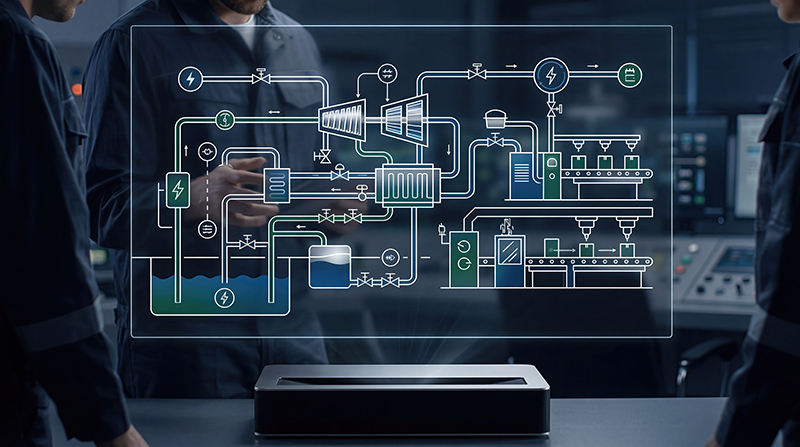
As energy costs continue to rise, many facilities invest heavily in new equipment, building automation systems, and efficiency upgrades to reduce operating expenses. While these investments often produce measurable results, one of the most overlooked opportunities for energy savings is already operating inside the facility every day: the water treatment program.
Boilers, cooling towers, and closed-loop heating and cooling systems rely on efficient heat transfer to operate at peak performance. Even small water quality issues can dramatically reduce that efficiency, forcing equipment to consume more energy while shortening its lifespan.
The good news? Proper water treatment is often one of the fastest and most cost-effective ways to reduce energy consumption, often without replacing a single piece of equipment.
Heat Transfer Is Everything
Every industrial water system exists to transfer heat.
- Boilers transfer heat into steam.
- Cooling towers remove heat from production equipment.
- Closed-loop systems move heat throughout a building or manufacturing process.
When deposits, corrosion, biological growth, or poor water chemistry interfere with that heat transfer, systems must work harder to produce the same results.
That extra work translates directly into:
- Higher natural gas consumption
- Increased electrical usage
- Longer equipment run times
- Reduced production efficiency
- Higher operating costs
Many facilities don’t realize how much energy they’re wasting because these losses occur gradually over months or years.
Scale: The Silent Energy Thief
Scale is one of the largest contributors to energy loss in industrial water systems. Mineral deposits such as calcium carbonate act like insulation on heat transfer surfaces. Even a thin layer of scale makes it more difficult for heat to move through boiler tubes or heat exchangers.
The result?
- Burners fire longer.
- Fuel consumption increases.
- Equipment temperatures rise.
- Components experience additional stress.
- Operating costs climb.
Many facilities discover that correcting a water softener issue or improving feedwater quality produces immediate reductions in fuel usage while extending equipment life.
Corrosion Costs More Than Repairs
Corrosion is often viewed as a maintenance issue, but it’s also an energy issue.
As corrosion products accumulate, they restrict flow, foul heat exchangers, and reduce system efficiency. Iron transported through a condensate return system can eventually end up back inside the boiler, increasing blowdown requirements and reducing heat transfer.
Beyond repair expenses, corrosion leads to:
- Increased fuel consumption
- Higher chemical usage
- Additional water losses
- Reduced equipment reliability
- More frequent maintenance
- System or plant wide shutdowns
- Costly repairs
Preventing corrosion protects both equipment and operating budgets.
Boiler Blowdown Can Waste Thousands of Dollars
Boiler blowdown is necessary to control dissolved solids, but excessive blowdown sends valuable energy down the drain.
Every gallon of hot water discharged contains:
- Heat paid for with natural gas
- Treated water
- Water treatment chemicals
- Replacement makeup water
Many facilities operate with higher-than-necessary blowdown rates because of poor water quality or inconsistent system control.
Optimizing feedwater quality, maintaining proper chemistry, and accurately controlling boiler cycles can significantly reduce blowdown while maintaining safe operation.
The savings often include:
- Lower fuel costs
- Reduced water consumption
- Lower sewer costs
- Reduced chemical usage
Innovative Boiler Chemistry Can Deliver Even Greater Savings
Today’s water treatment technologies go well beyond traditional chemical programs.
One example is Aquafilm®, an advanced film-forming treatment designed for steam boiler systems. Instead of relying on multiple conventional chemicals, Aquafilm creates an ultra-thin protective film throughout the boiler and condensate system that helps prevent corrosion, improve heat transfer, and protect metal surfaces.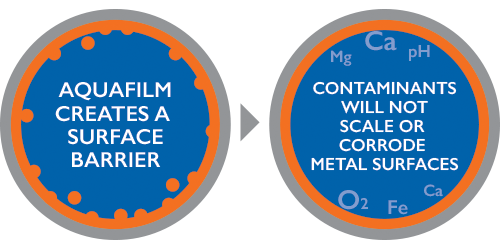
The benefits extend beyond corrosion protection. By reducing deposits and improving system efficiency, Aquafilm can lower energy consumption while simplifying program management. In many applications, facilities have replaced three separate treatment chemicals with a single organic product, reducing chemical handling, maintenance, and safety concerns.
One manufacturing facility that switched to Aquafilm achieved:
- 26% reduction in makeup water consumption
- 50% reduction in boiler testing time
- 65 labor hours saved annually
- Simplified treatment from three chemicals to one
- Improved operator safety through organic chemistry
Click here to view the Case Study. It’s a great example of how modern water treatment can improve efficiency while delivering operational and sustainability benefits.
Cooling Towers and Closed Loops Can Become Energy Drains
Boilers aren’t the only systems where water treatment impacts energy use.
Cooling towers and closed-loop heating and cooling systems lose efficiency as scale, corrosion, and biological fouling develop over time. Even minor fouling forces chillers, pumps, and process equipment to work harder to maintain operating temperatures.
That translates into:
- Higher electrical demand
- Longer equipment run times
- Increased maintenance
- Reduced equipment life
- Greater risk of unexpected downtime
Improving Heat Transfer Without Replacing Equipment
Many facilities assume significant energy reductions require major capital projects.
Often, they don’t.
Endotherm® is an energy-saving additive developed specifically for closed-loop heating and cooling systems. By improving thermal efficiency and heat transfer, Endotherm allows facilities to achieve desired temperatures with less energy input. The result is reduced natural gas and electricity consumption while extending the life of existing equipment. This booklet answers may of the most common questions about this remarkable product.
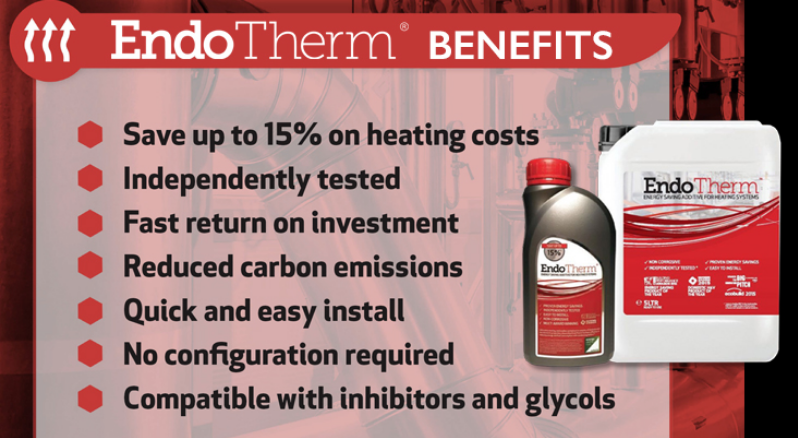
For organizations focused on reducing carbon emissions or meeting sustainability goals, improving the performance of existing systems is often one of the quickest returns on investment available.
Rather than replacing boilers or upgrading chillers, facilities can frequently unlock measurable energy savings simply by optimizing heat transfer.
Technology Makes Water Treatment Smarter
Modern water treatment has evolved far beyond periodic water testing. Today’s systems continuously monitor key operating conditions and automatically adjust treatment based on real-time data. Advanced monitoring technology can:
- Detect water quality changes immediately
- Alert personnel before problems become failures
- Automatically adjust chemical feed
- Track long-term system performance
- Verify treatment effectiveness
Instead of reacting after efficiency has declined, facilities can identify problems early and maintain peak performance year-round.
Small Problems Often Create Big Energy Bills
One of the most common discoveries during water treatment audits is that seemingly minor issues have been quietly increasing energy costs for months—or even years.
Examples include:
- A malfunctioning water softener allowing hardness into the boiler
- Fouled heat exchangers reducing heat transfer
- Excessive boiler blowdown
- Improper chemical feed rates
- Cooling tower scale
- Corrosion throughout the condensate return system
Individually these issues may seem minor.
Combined, they can cost facilities tens, or even hundreds, of thousands of dollars annually in unnecessary fuel, water, sewer, chemical, and maintenance expenses. A far higher cost than the actual water treatment program, which is designed to prevent these problems in the first place!
Water Treatment Is an Energy Strategy
Reducing energy consumption isn’t always about purchasing new equipment. Some of the greatest opportunities come from optimizing the systems already in place. Whether it’s preventing scale and corrosion with advanced boiler treatments like Aquafilm®, improving thermal efficiency in closed-loop systems with Endotherm®, or leveraging smart monitoring technology to keep systems operating at peak performance, modern water treatment has become a powerful energy management tool.
A well-managed water treatment program helps facilities:
- Reduce natural gas and electricity consumption
- Lower water and sewer costs
- Decrease chemical usage
- Extend equipment life
- Improve reliability
- Reduce maintenance expenses
- Support sustainability initiatives
- Delay costly capital equipment replacements
Perhaps most importantly, many of these improvements can be achieved with relatively modest investments and without disrupting operations.
Final Thoughts
Water treatment is often viewed as a maintenance necessity, but the most successful facilities see it differently. Experienced Facility Managers understand, they’re not paying for water treatment, they’re paying to avoid catastrophic costs.
They recognize that every pound of scale prevented, every gallon of blowdown reduced, every heat exchanger kept clean, and every improvement in thermal efficiency contributes directly to lower energy consumption and operating costs.
As organizations continue to pursue energy savings and sustainability goals, water treatment deserves a place alongside automation, process optimization, and equipment upgrades as part of a comprehensive energy strategy.
The biggest energy savings may not come from buying new equipment, they may come from helping your existing systems operate the way they were designed to.

Let’s start with your system.
Because every facility is different, our best insights come from an on-site evaluation. Click below to request a site survey — one of our Technical Engineers will reach out to schedule a visit.