Knowledge Center
Chloride Reduction: Lower Costs, Protect Systems, and Safeguard the Environment

Chlorides are an unavoidable part of many water treatment processes—but managing them wisely is critical to controlling operational costs, preserving infrastructure, and minimizing environmental impact. At Watertech of America, Inc., we work alongside industrial and commercial clients to help them reduce chloride discharge through system optimization, smart technology, and proactive service.
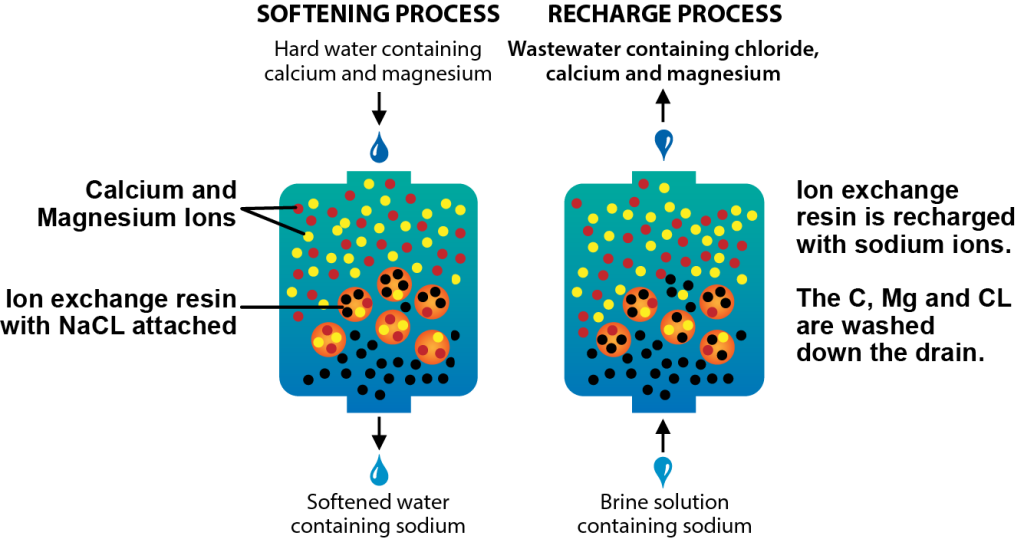
The Role of Softeners in Water Quality
Water entering a facility often contains minerals like calcium and magnesium that make it “hard.” To ensure this water is suitable for boilers, cooling systems, or process use, facilities typically rely on softeners that use salt-based ion exchange to remove hardness.
The Downside of Salt Use
While effective, softeners introduce chlorides into the wastewater stream. Unlike many other contaminants, chlorides are extremely difficult to remove using standard treatment methods. They do not biodegrade or settle out and can pass through treatment systems into the environment unless additional measures are taken.
From a cost perspective, the economics are sobering—every $1 spent on salt during softening can result in up to $25 in downstream treatment costs for chloride removal.
Environmental & Infrastructure Concerns
- Corrode pipes and equipment by forming hydrochloric acid.
- Stress aquatic ecosystems and disrupt plant and animal life.
- Alter the taste of drinking water.
Chloride Reduction Incentives and Compliance Support
Smart Strategies for Reducing Salt Use
- System Optimization
Ensure your softener is functioning efficiently. Watertech technicians can test hardness levels and fine-tune your control system to reduce excess salt use. - High-Efficiency Softeners
Upgrading to a more advanced model can cut salt consumption by up to 48%, delivering significant cost and compliance benefits. - Resin Replacement
Over time, resin beds degrade and lose efficiency. Replacing aged resin restores softener performance and minimizes salt waste. - Brine Reclaim Systems
These systems recover and reuse a portion of the salt solution during regeneration, reducing overall salt usage by up to 25%. - Process Bypasses
Not all applications require softened water. Installing bypass lines ensures you only use softened water where it’s necessary.
Major Chloride Contributors in the Midwest
- Road salt runoff
- Agricultural fertilizers
- Water softener brine discharge
- Livestock operations
Business and Environmental Benefits
- Extends equipment lifespan
- Lowers wastewater treatment costs
- Protects public water resources
- Enhances community and regulatory relationships
Partner with Watertech to Reduce Chloride Discharge
Start your chloride reduction journey today.

Let’s start with your system.
Because every facility is different, our best insights come from an on-site evaluation. Click below to request a site survey — one of our Technical Engineers will reach out to schedule a visit.