Knowledge Center
Emulsion Polymers in Dairy Wastewater Pretreatment
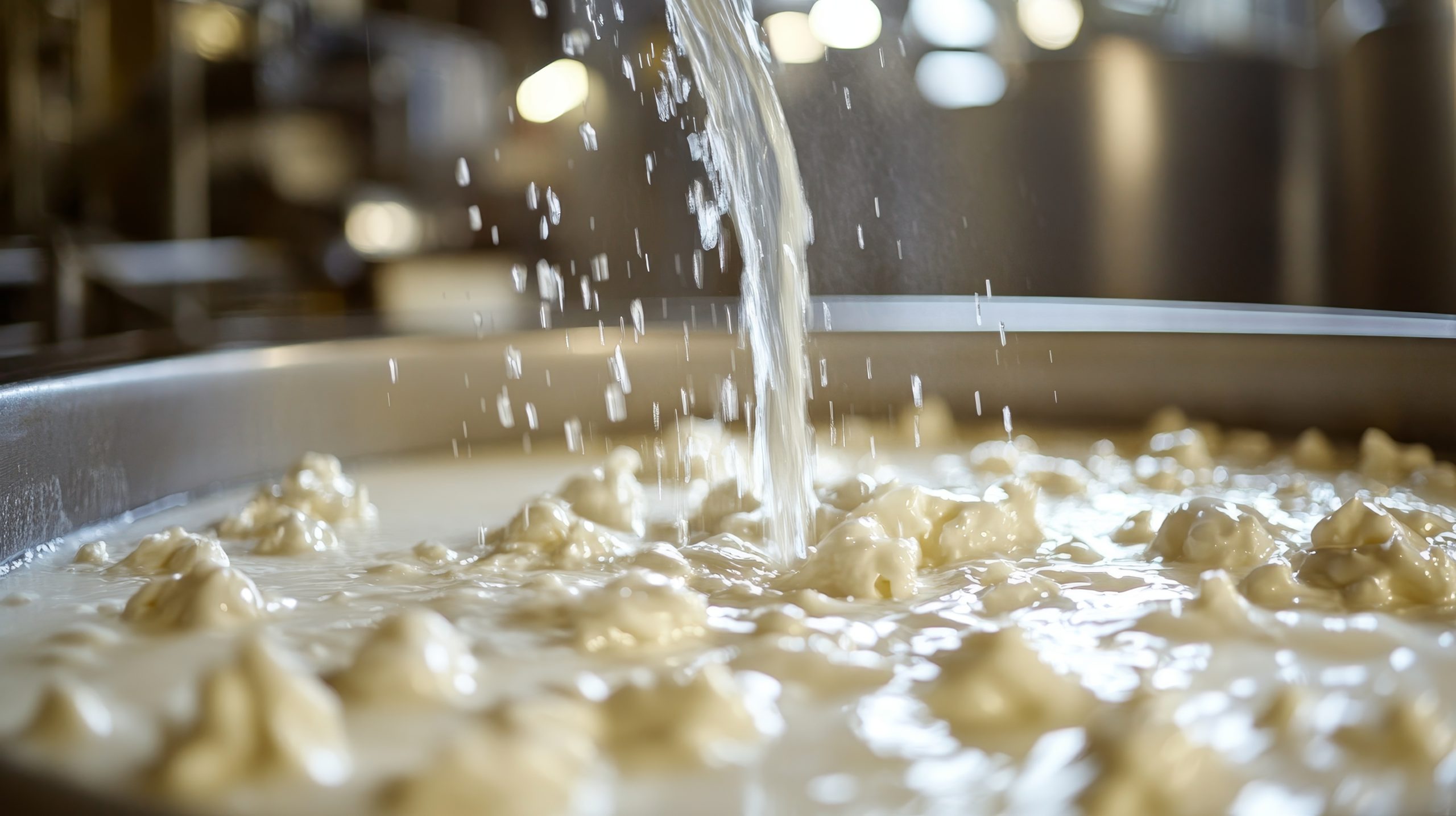
Emulsion polymers are used extensively in dairy wastewater applications. Most commonly they are used to pretreat waste before a biological system as a means of solid-liquid separation in a biological system, or to assist with tertiary nutrient removal such as phosphorus. These products can provide very effective results, however makedown, feed and control have a large impact on the effectiveness, and ultimately, the cost of using emulsion polymers.
3 key factors to consider when feeding an emulsion polymer:
Dilution Water
Emulsion polymers need to be “made down” with water in a special feeder in order to be activated. For maximum effectiveness it is important to use potable water for dilution because it offers consistent quality. Reusing water from another process can lead to problems if the upstream process has an upset. In addition to consistent quality, a consistent flow rate is also important. Inconsistencies in the dilution water and flow rate, result in inconsistencies in the quality of the activated polymer, which leads to inconsistencies in performance.
Final Concentration
This term refers to the ratio of “neat” polymer to the dilution water into which it is fed. Typically emulsion polymers work best at a final concentration of 0.25% – 0.5%. Higher final concentrations do not allow the polymer to activate as efficiently which has a significant impact on their performance and cost. In addition, some mechanical polymer feeders are designed to only work at final concentrations below 1.0%. Running higher final concentrations in these systems can actually lead to failure and/or excessive maintenance requirements. We have seen many applications where simply adjusting the final concentration will reduce polymer usage by 25-50%.
Polymer Aging
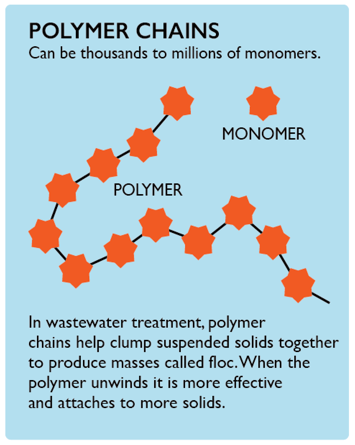
The process of activating polymer with dilution water and a polymer feeder is intended to allow the polymer molecule to “unwind”. When the polymer molecule is fully unwound it maximizes the number of charge locations that solids in the water can attach to. While proper dilution water and a good polymer feeder are critical to this activation process, often additional time between the activation stage and injection into the process will allow the polymer to fully unwind. This time period is called aging. Typically an aging period of 10-30 minutes is enough time to allow a properly made down polymer solution to fully activate. As with a proper final concentration, we have seen reductions in polymer usage by 25-50% simply by adding as little as 10 minutes of aging between makedown and feed of a polymer.
While there are many factors that affect the overall effectiveness and cost of feeding emulsion polymers, proper dilution water, final concentration and aging are the first to consider when optimizing their use.
Learn More
To learn more about emulsion polymers reach out for a free site survey and one of our technical engineers will be in touch. We will analyze your system and share recommendations to improve performance and reduce operating costs to help achieve your goals.

Let’s start with your system.
Because every facility is different, our best insights come from an on-site evaluation. Click below to request a site survey — one of our Technical Engineers will reach out to schedule a visit.