Knowledge Center
Feedwater Tank vs. Deaerator: How to Choose
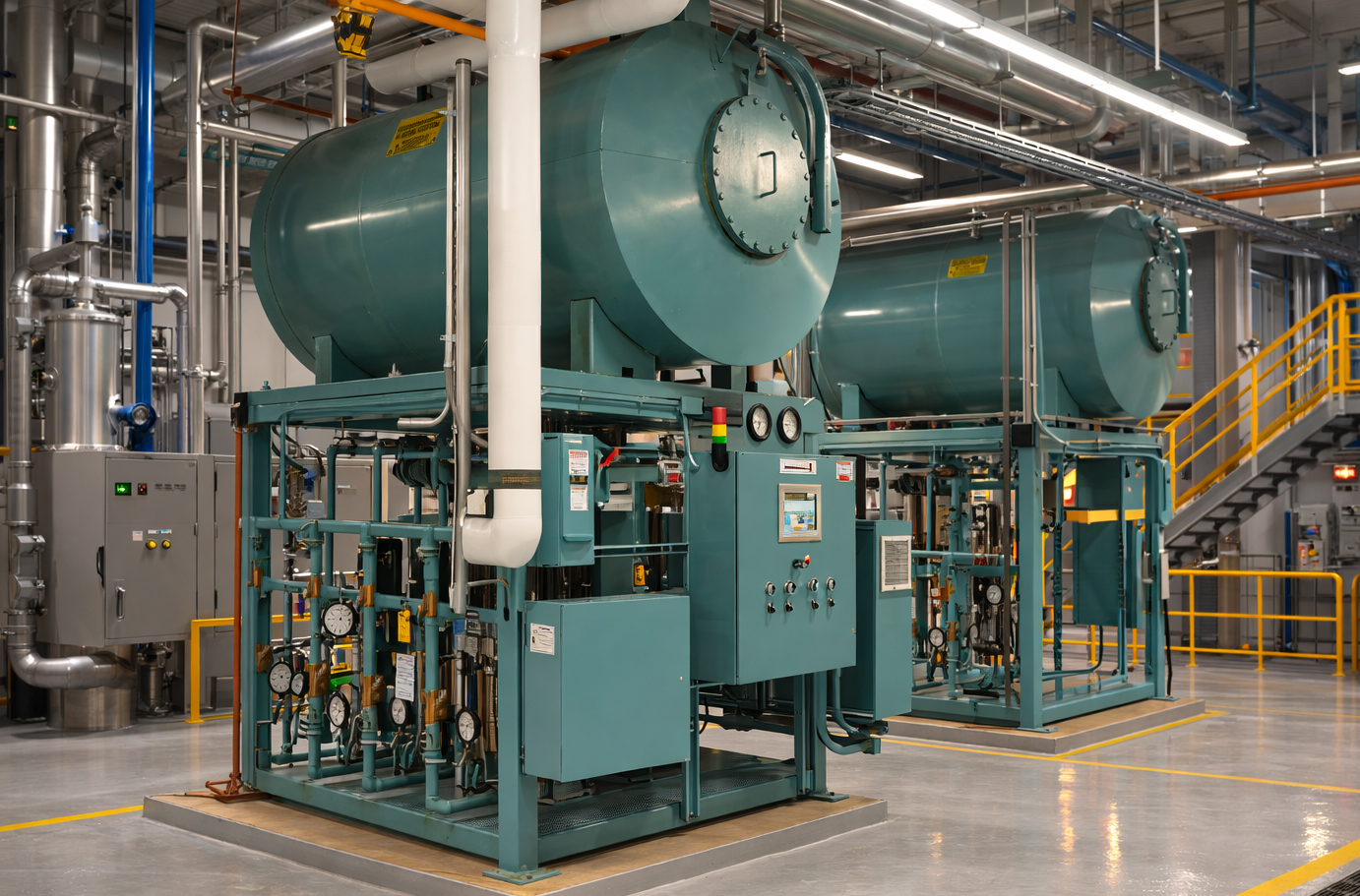
The quality and temperature of feedwater are essential for a boiler to maintain optimal operational efficiency. There are two ways to store and treat feedwater for a boiler – in a feedwater tank, which is open to the atmosphere, or a deaerator, which holds water inside a pressurized vessel. Facility managers looking to make the right investment for their facility and water treatment program often ask us which the better option is.
- Prevent boiler corrosion by reducing oxygen levels
- Avoid thermal shock and pump damage by preheating water
Choosing which piece of equipment is right for your facility will depend on the upfront investment your company is willing to make, the amount of preventive maintenance you are able to conduct every month, and the level of risk you are willing to take on.
| Feedwater Tank | Deaerator | |
| Operational Differences | A feedwater tank is open to the atmosphere and holds makeup water at temperatures ideal for the boiler system. |
A deaerator holds water inside a pressurized vessel. The purpose of a deaerator is to drive off excess oxygen from makeup water. |
| Operating Temperature | Holds water at temperatures between 155°F and 185°F. |
Holds water at a steady temperature of 225°F. |
| Oxygen Levels | Oxygen levels average 5-10 parts per million (ppm). |
Oxygen levels average 5 parts per billion (ppb). |
| Maintenance Implications | A feedwater tank sends water with high levels of oxygen into the boiler. Water is treated with chemicals inside the boiler to remove oxygen.A higher degree of preventive maintenance and monitoring is required to avoid water management and equipment issues. |
Once the deaerator is installed and running properly, only regular scheduled maintenance of the equipment is necessary. |
| Risk of Corrosion or Contamination |
If the feedwater tank empties and needs to pull cold city water to fill the boiler, the cold water could cause thermal shock, damaging tubes and causing boiler leaks.If the chemical feed is not working properly and fails to remove oxygen, the boiler system could very quickly corrode, which can cause a significant amount of damage to equipment and threaten water quality. |
The higher temperature achieved by the deaerator alleviates the risk of thermal shock in instances when cold water needs to be water transferred to the boiler.The higher water temperature also drives off as much oxygen as possible before water enters the boiler, providing added protection from chemical loss. |
| Lifetime Operating Costs
|
The initial investment is lower than a deaerator because you are purchasing a container as opposed to an equipment system.Once installed, chemical treatment costs are substantially higher than a deaerator because all oxygen is removed using chemical treatment in the boiler. |
Deaerators come with an upfront investment that covers the cost of equipment, installation, certification, and training.Additional investment is in regularly scheduled maintenance and chemicals to treat low level of oxygen that is sent to the boiler. |
Watertech’s Take
Watertech recommends facilities utilize deaerators for the consistency, reliability, and lower lifetime operating cost, but most importantly, for the reduced risk they provide. Since deaerators remove as much oxygen as possible before the feedwater even enters the boiler system, if there is a case of thermal shock or a lost chemical feed, the risk of damage and contamination is far less than with a feedwater tank.

Let’s start with your system.
Because every facility is different, our best insights come from an on-site evaluation. Click below to request a site survey — one of our Technical Engineers will reach out to schedule a visit.