Knowledge Center
Healthy Microbes Are Key to “Superstar” Wastewater Management
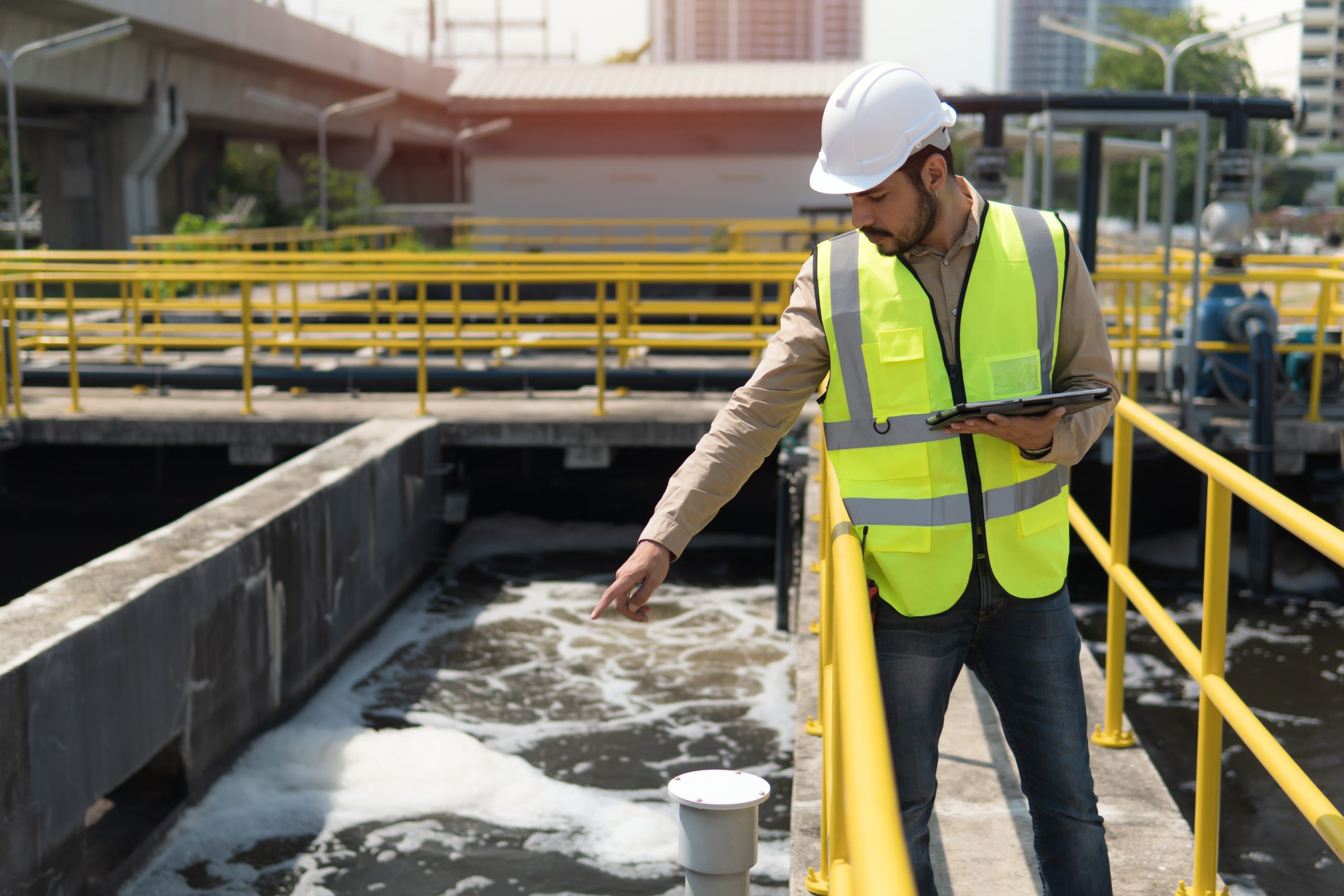
In most wastewater systems, slight fluctuations in chemical oxygen demand (COD) are typical. Manufacturing plants can see more significant spikes in COD during production line changes and sanitation cycles. For municipalities, they often follow a heavy rainfall. In the case of an anaerobic digester, it could be the introduction of new feedstocks.
Microorganisms are used to break down organic matter (COD) and clean up waste streams. When the system is operating under designed load parameters, treatment is consistent, but if any notable event — such as a raw milk spill inside a dairy, can be disastrous. Overloading a system with excessive amounts of COD or fats, oils and grease (FOG) changes the food-to-mass and nutrient ratios and D.O. among others, upsetting the microbiological community. In many cases, unwanted members will proliferate. Outcasts like filamentous bacteria can promote excessive foaming, sludge bulking and cloudy effluent, ultimately causing National Pollutant Discharge Elimination System (NPDES) permit violations.
To become a Wastewater Treatment Superstar, a facility would need to monitor and manage these ebbs and flows 24/7. Constantly tracking and adjusting to contaminant level changes is expensive in terms of capital, man hours, chemical costs, city surcharges and even fines.
Why not consider investing in a money-saving bioaugmentation insurance policy with BIOACTIV-8-OR™?
Bioaugmentation is a practice that uses bacillus bacteria to cultivate a healthy biological system for the purpose of biodegrading (digesting) specific contaminants in a way that is never compromised. In some cases, these communities of bacillus bacteria can reduce or even eliminate chemicals needed for treatment.
The following are five ways in which bioaugmentation using BIOACTIV-8-OR™ can be a game-changer for wastewater management:
1. Feeding on COD.
Bacteria feed on organic substances, ammonia, phosphorus, nitrogen and other nutrients that are strictly regulated to protect freshwater sources and human health. While there are naturally-occurring bacteria in wastewater, unique strains of bacillus produce enzymes that break down organic particles faster, making it easier for that pre-existing bacteria to do their job. BIOACTIV-8-OR™ bioaugmentation products are scientifically-selected-specific strains of bacillus that can be added to address conditions related to cold weather, ammonia, FOG, paper fibers and petroleum.
2. Weeding out the crowd.
Scientifically selected BIOACTIV-8-OR™ bioaugmentation products include strains of bacillus that inhibit the overabundance of troublesome bacteria. For example, filamentous bacteria are helpful in small numbers because they intertwine to form a support structure for other bacteria. But, they can quickly dominate a system in a weed-like fashion if physical or chemical changes are made to the wastewater process. If left uncontrolled, they can cause issues with sludge settling, bulking, and foaming.
3. Making “sick” systems whole again (quickly).
The biological community that lives inside wastewater is a living thing. It can grow, shrink, get sick, and die. Bioaugmentation with BIOACTIV-8-OR™ provides the ability to eliminate or reduce the time normally needed for bacteria to grow and a system to recover from low volumes of BODs by quickly introducing six to eight bacillus bacteria strains that remove oil, grease, fat, and other contaminants. Bacillus bacteria also can be selected based on its ability to convert BODs at very cold temperatures.
4. Saving you money.
Sludge volume is a big concern for most wastewater treatment facilities. If digestion is incomplete it will be difficult to dewater and more sludge will need to be hauled. If there are settling issues, wastewater itself may need to be hauled away. If treatment problems exist at a facility that is discharging to a municipality, surcharges will increase. Facilities discharging to surface water may be fined or even shut down if strict regulatory requirements are not me. BIOACTIV-8-OR™ bioaugmentation products, when applied properly, are capable of mitigating many of these concerns.
5. Solving nutrient deficiencies.
Bioaugmentation requires due diligence on the front end to determine which bacteria will be best for an individual system. Water treatment consultants conduct onsite testing with bacillus strains to measure for ammonia, nitrate, alkalinity, pH, temperature and more. This process determines the nutrients that need to be broken down, but it also uncovers nutrient deficiencies. BIOACTIV-8-OR™ bacillus products contain micronutrients that enhance the overall nutrients that are added to the system.
Protecting the environment as economically as possible is the bottom line. Enhancing your peace of mind by ensuring your system can handle whatever contaminants your facility puts through it. Contact your Watertech of America water treatment consultant today to learn more about BIOACTIV-8-OR™ and ZYME-BAC™ line of bioaugmentation products.

Let’s start with your system.
Because every facility is different, our best insights come from an on-site evaluation. Click below to request a site survey — one of our Technical Engineers will reach out to schedule a visit.