Knowledge Center
Odor Control Agents: A Technical Guide for Industrial Wastewater Treatment
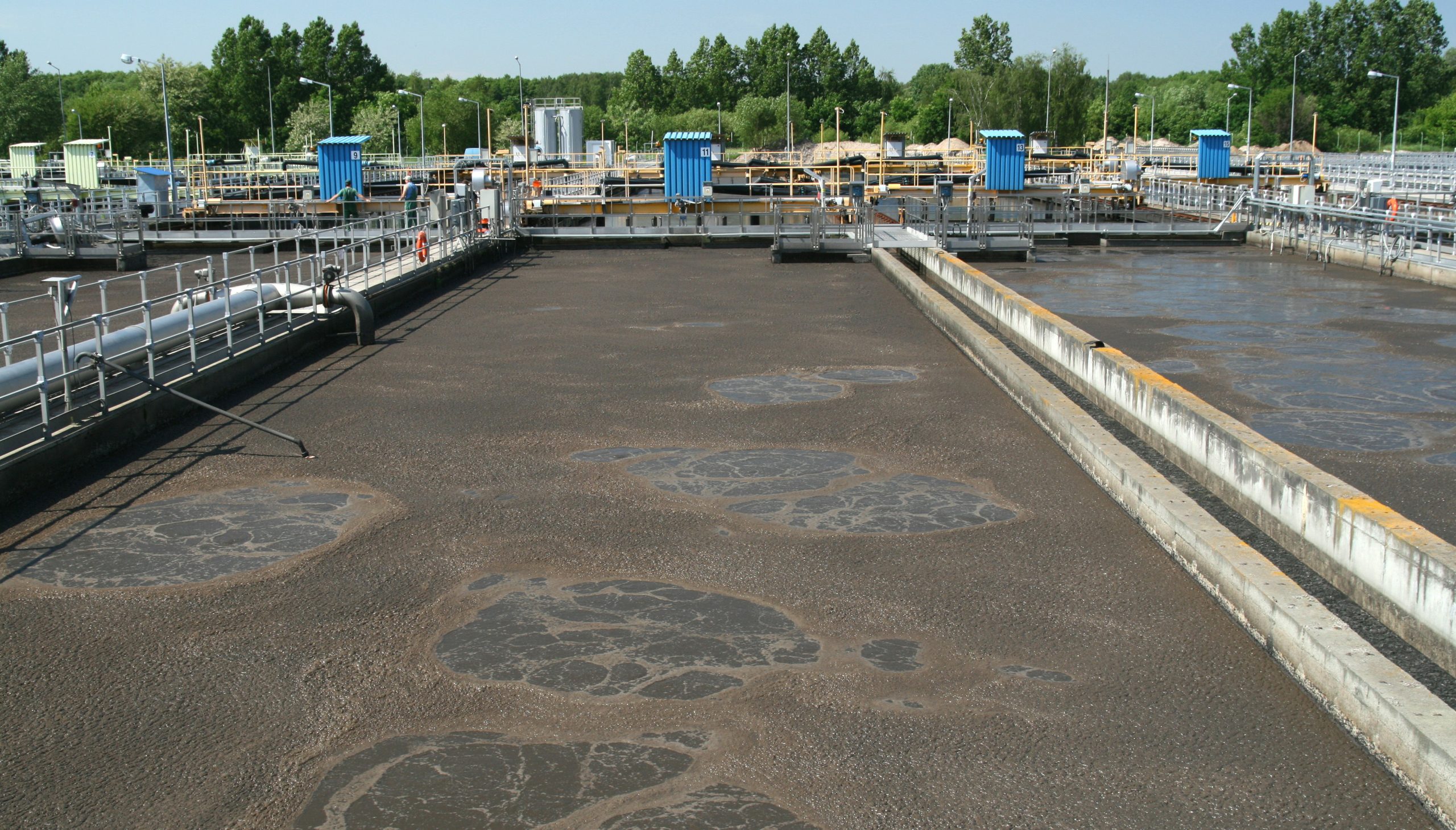
Where Wastewater Odors Come From
Odor problems in industrial wastewater systems are almost always rooted in chemistry, biology, or both. Understanding the source of the odor is the starting point for selecting an effective control strategy.
Hydrogen sulfide (H2S) is the most common and problematic wastewater odor compound. It is produced when sulfate-reducing bacteria (SRBs) metabolize sulfate under anaerobic conditions — conditions that develop in low-flow areas, lift station wet wells, collection system force mains, and the bottom of holding tanks. H2S has a characteristic rotten egg smell detectable at concentrations as low as 0.5 parts per billion. It is also corrosive to concrete and metals and is acutely toxic at elevated concentrations.
Volatile organic compounds (VOCs) from industrial processes — including ketones, aldehydes, and organic acids — can off-gas from wastewater collection and treatment systems, particularly when the wastewater is warm or agitated.
Ammonia and amines are common in food processing, rendering, pharmaceutical, and chemical manufacturing wastewater. They produce sharp, pungent odors detectable at low concentrations.
Mercaptans and reduced sulfur compounds other than H2S are associated with petroleum refining, natural gas processing, and pulp and paper operations.
Chemical Odor Control Approaches
Oxidizing agents convert odor-causing compounds directly into non-odorous forms.
Common oxidants include:
-
- Sodium hypochlorite (bleach): Effective against H2S and some organic odors. Cost-effective but can produce disinfection byproducts. Must be dosed carefully to avoid over-oxidation.
- Hydrogen peroxide: Reacts with sulfide to produce sulfate and water. Effective and leaves no chemical residue. Works well in lift stations and force mains.
- Calcium nitrate: Provides an alternative electron acceptor for bacteria, shifting microbial activity away from sulfate reduction and H2S production. Particularly effective in collection system applications.
- Chlorine dioxide: A selective oxidant effective against a broad range of odor compounds. Requires on-site generation and careful handling but is highly effective in difficult applications.
Neutralizing agents react with specific odor compounds to form non-odorous products. Chelated iron compounds react stoichiometrically with H2S to form insoluble iron sulfide, suppressing odor without the byproduct concerns of strong oxidants. These are commonly used in headworks applications.
pH adjustment controls H2S evolution. At pH above 9, dissolved sulfide exists primarily as the non-volatile bisulfide ion rather than as H2S gas. Raising pH in collection systems reduces off-gassing, though it does not eliminate the sulfide itself.
Biological odor control is used in enclosed treatment structures. Biofilters pass odorous air through a packed bed of organic media inoculated with microorganisms that metabolize odor compounds. Bioscrubbers use water to absorb odorous compounds before biological treatment. These systems are capital-intensive but effective for continuous high-volume odor control.
Masking agents add a more pleasant fragrance to cover unpleasant odors. They do not address the underlying chemistry and are not appropriate as a standalone control method for H2S or other hazardous compounds.
Selection Framework
| Application | Preferred Approach |
| Lift Station / Force Main | Calcium nitrate, hydrogen peroxide, or iron chelate |
| Headworks / Influent | Iron chelate, sodium hypochlorite, or chlorine dioxide |
| Aeration Basin | Antifoam + airflow management; pH control |
| Enclosed Treatment Structures | Biofilter or bioscrubber |
| Lagoon or Holding Tank | Calcium nitrate or floating aerators |
Safety Note
H2S is a life-safety hazard. Any odor control program that addresses H2S in confined spaces should be developed in coordination with the facility safety team, not treated solely as a chemistry problem. Monitoring, ventilation, and confined space entry procedures are non-negotiable elements of H2S management.

Let’s start with your system.
Because every facility is different, our best insights come from an on-site evaluation. Click below to request a site survey — one of our Technical Engineers will reach out to schedule a visit.