Knowledge Center
Oxygen Scavengers
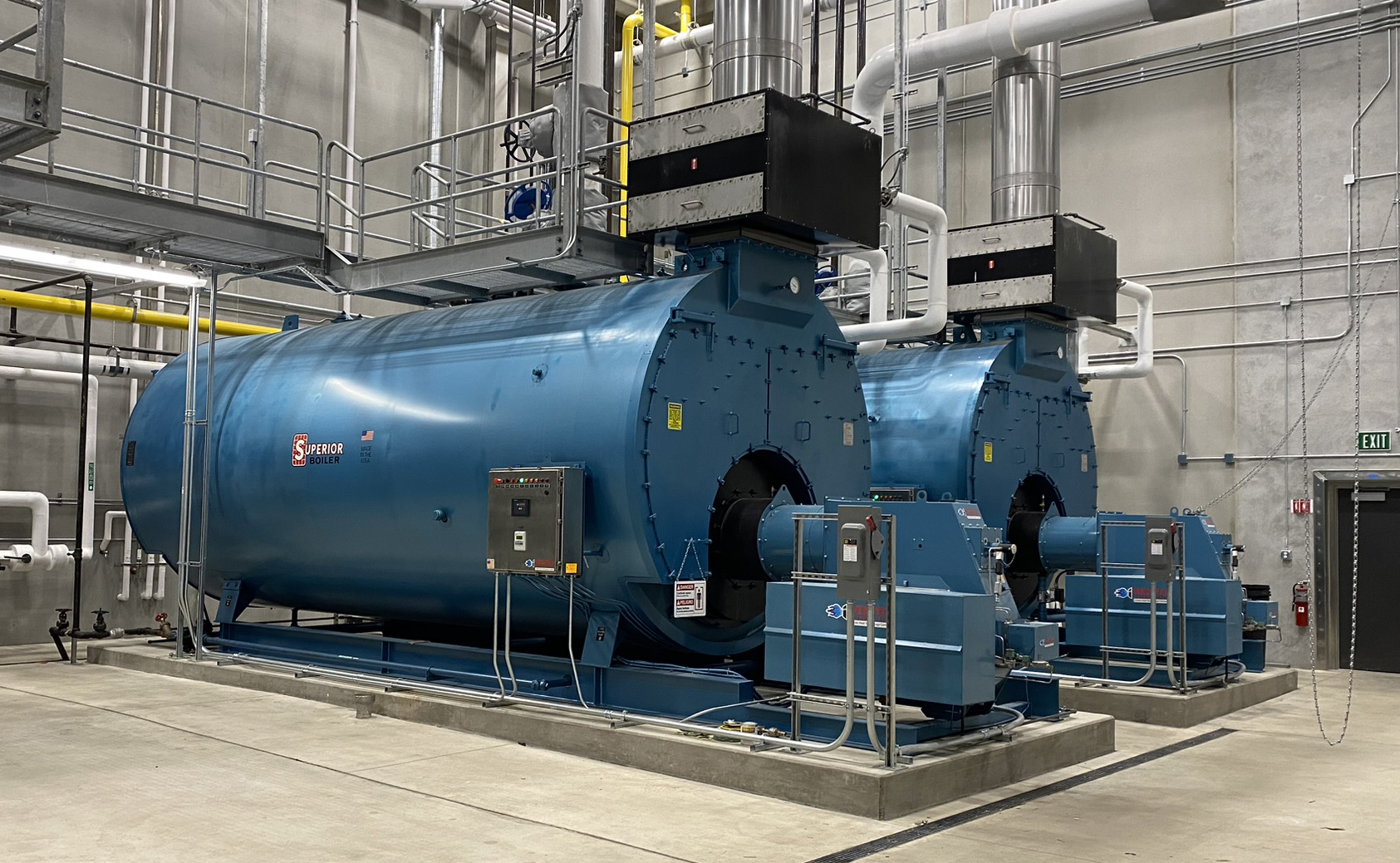
Dissolved oxygen is one of the most destructive contaminants in boiler feedwater. Even at concentrations measured in parts per billion, oxygen causes aggressive pitting corrosion in feedwater piping, economizers, and boiler tubes. Oxygen scavengers, also called oxygen scavenging agents or reducing agents, are the chemical line of defense against this damage.
Why Dissolved Oxygen Is Dangerous in Boiler Systems
Unlike scale, which reduces efficiency gradually, oxygen corrosion attacks metal surfaces at discrete points, creating deep pits that can penetrate tube walls and cause sudden failures. Pitting damage is irreversible and progressive: once a pit forms, it creates crevice conditions that further deplete oxygen locally, accelerating the electrochemical attack.
The threat is not limited to the boiler itself. Oxygen in feedwater corrodes:
- Deaerator internals and storage sections
- Feedwater piping and boiler feed pumps
- Economizer tubes (the most vulnerable zone due to relatively low temperatures where oxygen remains active)
- Steam drum internals and waterwall tubes
Corrosion products, primarily iron oxides, travel through the system and deposit on heat transfer surfaces, contributing to under-deposit corrosion and reduced heat transfer efficiency.
Mechanical Deaeration: The First Step
Most boiler systems include a deaerator, which uses steam to heat feedwater and strip dissolved gases, primarily oxygen and carbon dioxide, through physical degassing. A properly operating deaerator operating at the correct temperature and pressure can reduce dissolved oxygen from several parts per million down to 7 parts per billion (ppb) or less.
However, mechanical deaeration alone is rarely sufficient:
- Deaerators can be upset by load swings, improper steam supply, or maintenance issues
- Condensate return may introduce oxygen through system leaks, open condensate receivers, or failed steam traps
- Makeup water additions during high-demand periods can spike oxygen levels
Chemical oxygen scavengers provide the polish, eliminating the residual oxygen that mechanical deaeration cannot consistently remove.
Types of Oxygen Scavengers
Sodium Sulfite
Sodium sulfite is the most widely used oxygen scavenger in industrial boiler applications. It reacts with dissolved oxygen to form sodium sulfate, a relatively inert compound. The reaction is:
2 Na2SO3 + O2 → 2 Na2SO4
Catalyzed sodium sulfite (with cobalt or manganese added to accelerate the reaction) is standard in most applications because the uncatalyzed reaction can be too slow at low temperatures. Sodium sulfite is economical, effective, and easy to monitor through simple residual testing.
Limitations: Sodium sulfite decomposes at high temperatures and pressures, generating sulfur dioxide, an acidic gas that can cause condensate corrosion. For systems operating above roughly 900 psig, organic scavengers are generally preferred.
DEHA (Diethylhydroxylamine)
DEHA is an organic oxygen scavenger that offers several advantages over sulfite in high-pressure and high-temperature systems. In addition to scavenging oxygen, DEHA provides metal passivation, forming a protective film on steel surfaces in the feedwater and boiler system. It also decomposes to volatile products (primarily acetaldehyde and ammonia) that do not contribute to dissolved solids in the boiler water, an important consideration in high-pressure systems with tight dissolved solids limits.
DEHA is particularly well-suited for systems with significant condensate return, as its volatility allows it to carry through to the condensate to provide protection there as well.
Carbohydrazide
Carbohydrazide is often used as a substitute for hydrazine in applications where an oxygen scavenger with passivating properties is needed but the toxicity of hydrazine is a concern. It decomposes in the boiler to products that include small amounts of hydrazine, providing some of the passivation benefits, but at significantly lower toxicity and handling risk.
Erythorbate and Ascorbate
Sodium erythorbate and sodium ascorbate (Vitamin C derivatives) are organic scavengers used in applications where low toxicity is a priority, food and beverage processing, pharmaceutical facilities, or systems with particularly strict environmental discharge requirements. They are effective scavengers but do not provide the passivating benefits of DEHA or carbohydrazide.
Hydrazine
Hydrazine was historically the oxygen scavenger of choice in high-pressure utility and industrial boiler systems due to its effectiveness, volatility, and passivating properties. Its use has declined sharply due to confirmed carcinogenicity and associated handling and disposal requirements. It remains in use in some utility power generation applications where system design and regulatory frameworks support it, but most industrial facilities have transitioned to alternatives.
Monitoring and Control
Oxygen scavenger programs require active monitoring to ensure effective performance without waste or adverse effects:
- Residual testing: Most scavengers can be measured directly in the feedwater or boiler water to confirm adequate dosage. Sodium sulfite residuals in boiler water are typically maintained in the 20 to 40 ppm range (as sulfite). DEHA residuals in feedwater are typically 50 to 200 ppb.
- Dissolved oxygen measurement: Inline dissolved oxygen analyzers installed at the deaerator outlet and feedwater pump discharge provide continuous verification that mechanical deaeration and chemical treatment are performing as expected.
- Iron monitoring: Feedwater and condensate iron levels are a proxy for corrosion activity. Elevated iron indicates oxygen intrusion or other corrosion problems upstream.
Common Questions
How much oxygen scavenger should I be feeding?
Dosage depends on the oxygen content of the feedwater entering the system (after deaeration), the flow rate, and the target residual. A properly functioning deaerator operating at design conditions significantly reduces the scavenger demand. Overfeeding sulfite contributes to boiler water dissolved solids and should be avoided.
My boiler is low-pressure, do I still need an oxygen scavenger?
Low-pressure systems are not immune to oxygen corrosion. Pitting still occurs. The chemistry selection may be different, catalyzed sodium sulfite is typically cost-effective for low-pressure applications, but the need for chemical treatment is real.
Can I see the results of oxygen corrosion before it causes a failure?
Yes, internal tube inspections and feedwater iron testing can reveal corrosion trends before catastrophic failure. Many facilities also use corrosion coupons in feedwater piping to quantify metal loss rates. Regular boiler inspections by a qualified inspector are the most direct way to assess pitting damage.

Let’s start with your system.
Because every facility is different, our best insights come from an on-site evaluation. Click below to request a site survey — one of our Technical Engineers will reach out to schedule a visit.