Knowledge Center
Rare-Earth Chemistry for Phosphorus Removal: A Technical Guide
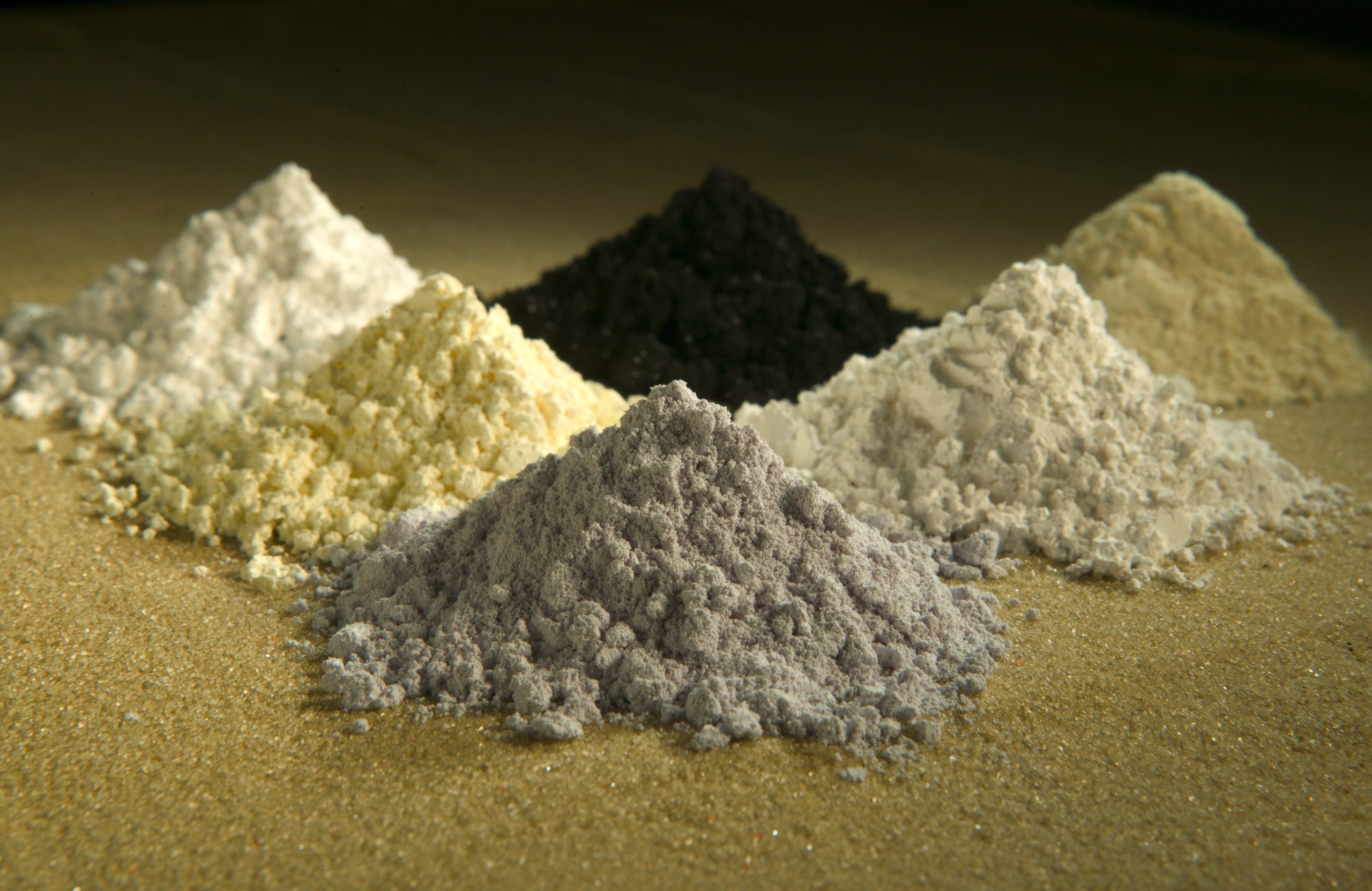
What Are Rare-Earth Elements?
Rare-earth elements (REEs) are a group of 17 metallic elements that include the 15 lanthanides plus scandium and yttrium. Despite the name, most are not particularly rare in Earth’s crust — the term reflects their historical difficulty of extraction and refining, not their abundance.
In industrial wastewater treatment, the most commercially significant application of rare-earth chemistry is phosphorus removal using cerium and lanthanum compounds. These elements react with dissolved orthophosphate to form extremely insoluble precipitates, enabling phosphorus removal to levels that conventional iron and aluminum chemistry often cannot consistently achieve.
Why Phosphorus Removal Matters
Phosphorus is one of the most tightly regulated nutrients in wastewater discharge. Even low concentrations — often below 1 mg/L — can drive eutrophication in receiving water bodies, triggering harmful algae blooms that deplete oxygen and damage aquatic ecosystems. Discharge permits for phosphorus are becoming more stringent across the Midwest and nationally, with some facilities now required to meet limits at or below 0.1 mg/L.
Conventional phosphorus removal using ferric chloride, ferric sulfate, or alum is effective at moderate levels but becomes increasingly unreliable at very low target concentrations. Dose increases to chase lower limits generate more sludge and can push pH outside the optimal treatment range. Rare-earth chemistry addresses both limitations.
Cerium Chloride for Phosphorus Removal
Cerium chloride (CeCl3) is the primary rare-earth reagent used in industrial wastewater phosphorus removal programs. Dissolved cerium ions react with orthophosphate (PO4) to form cerium phosphate (CePO4), a compound with very low solubility. This precipitation reaction drives dissolved phosphorus out of solution efficiently and reliably.
Key performance characteristics of cerium chloride:
Broad pH effectiveness: Cerium phosphate precipitation is effective across a wide operating range, roughly pH 5.5 to 10. This is a meaningful advantage over ferric and alum chemistry, which are more pH-sensitive and require tighter control.
Low residual phosphorus: Cerium chloride is capable of achieving effluent total phosphorus below 0.1 mg/L when properly dosed and combined with adequate solids separation. This makes it suitable for facilities facing stringent permit limits that conventional chemistry cannot meet.
Low sludge generation: Cerium phosphate precipitate is dense and settles well. The sludge volume generated per unit of phosphorus removed is generally lower than with iron or aluminum salts, which reduces dewatering and disposal costs.
Selectivity: Cerium has a strong natural affinity for phosphate. The reaction does not require the high doses of competing reagent that iron and alum chemistry sometimes demand in complex wastewater matrices.
Lanthanum Chloride as an Alternative
Lanthanum chloride (LaCl3) works through the same fundamental mechanism — precipitation of lanthanum phosphate (LaPO4) — and shares many of the performance characteristics of cerium chloride. Both achieve low residual phosphorus concentrations, both are effective across a broad pH range, and both generate less sludge than conventional inorganic coagulants.
In practice, the choice between cerium and lanthanum is often driven by cost, regional availability, and supplier relationships rather than performance differences. Cerium is more abundant than lanthanum and is generally the lower-cost option; it is often the default starting point for rare-earth phosphorus removal programs. Lanthanum is well established in specialized applications, including lanthanum-modified bentonite products used for sediment phosphorus capping in lakes and lagoons.
For industrial wastewater dosing programs, both are applied as liquid solutions metered into the process stream ahead of a clarification or filtration step, in a manner similar to conventional coagulants.
Application Considerations
Solids separation is critical: Rare-earth phosphate precipitates must be physically removed from the treated water. Residual suspended solids containing adsorbed or precipitated cerium or lanthanum will carry phosphorus with them into the effluent. Clarifier performance and effluent filtration quality directly affect the achievable effluent total phosphorus concentration.
Alkalinity and competing anions: High carbonate alkalinity can compete with phosphate for rare-earth ions, reducing treatment efficiency at a given dose. Jar testing under actual wastewater conditions is necessary to determine the effective dose range.
Cost vs. conventional chemistry: Cerium and lanthanum chloride are more expensive per unit than ferric chloride or alum. The economic case typically applies when: (a) permit limits are below what conventional chemistry can consistently achieve, (b) sludge disposal costs are high and reduced sludge volume is valuable, or (c) pH control challenges make conventional chemistry operationally difficult.
Regulatory status: Rare-earth residuals in treated effluent are not yet subject to specific discharge limits in most U.S. jurisdictions, but this is an area of evolving regulatory interest. Facilities implementing cerium or lanthanum programs should track regulatory developments and document their program for permitting purposes.
Comparison: Rare-Earth vs. Conventional Phosphorus Removal
| Factor | Cerium/Lanthanum Chloride | Ferric Chloride / Alum |
| Effective pH Range | 5.5 to 10 | 5.5 to 8.5 (varies) |
| Achievable Effluent TP | Below 0.1 mg/L | 0.1 to 0.5 mg/L (typical) |
| Sludge Volume | Lower | Higher |
| Chemical Cost | Higher | Lower |
| Dose Sensitivity | Moderate | Higher |
| Best Fit | Stringent permit limits, sludge-sensitive systems | Standard permit limits, cost-sensitive applications |

Let’s start with your system.
Because every facility is different, our best insights come from an on-site evaluation. Click below to request a site survey — one of our Technical Engineers will reach out to schedule a visit.