Knowledge Center
5 Proven Ways to Improve Steam Boiler Efficiency
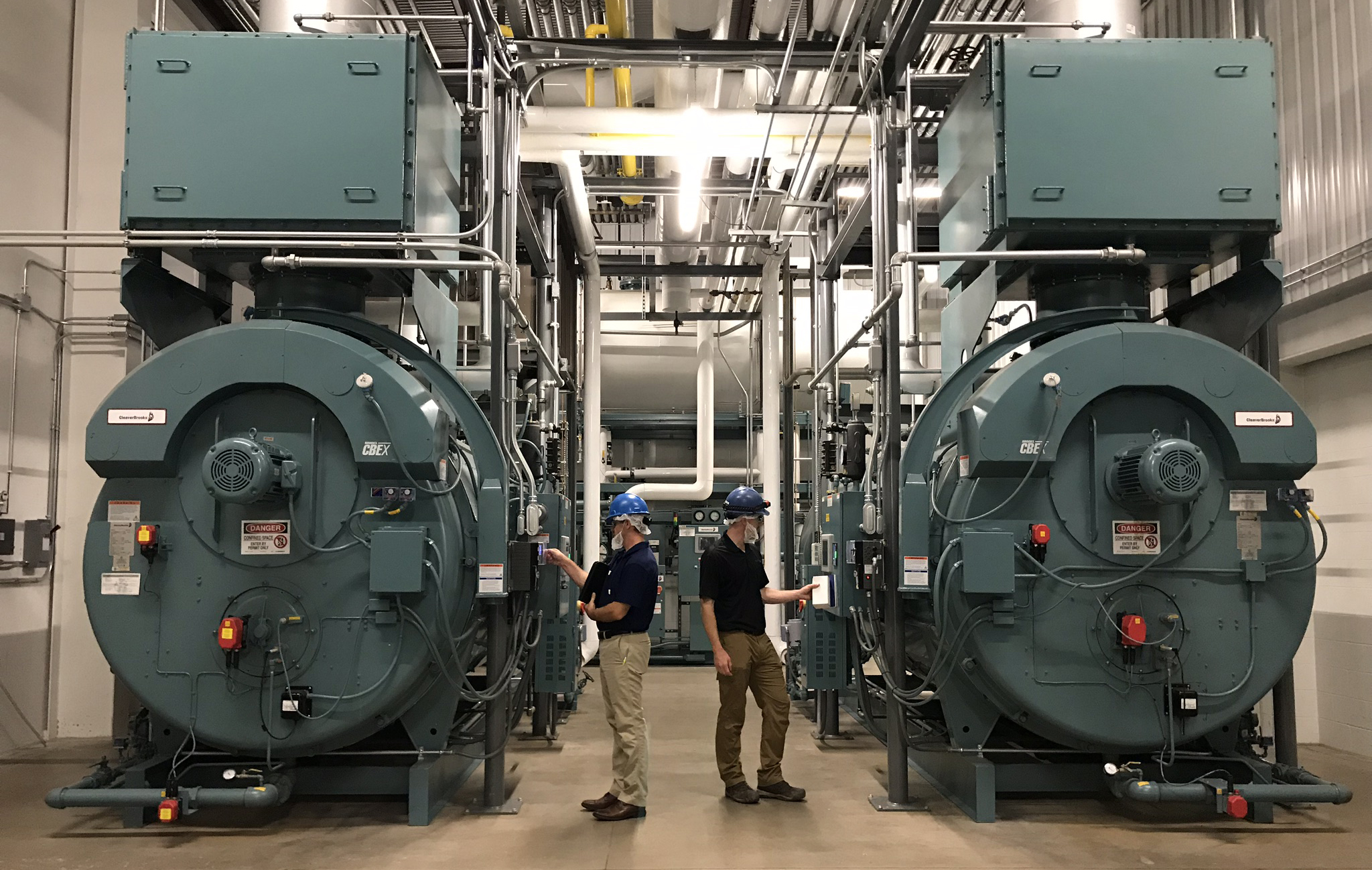
Steam boilers play a critical role in industrial and commercial operations. But without proper care, they can become costly liabilities—wasting energy, increasing water and chemical usage, and even shortening equipment lifespan. The good news? With a proactive approach and a little extra attention, you can dramatically improve boiler efficiency and performance.
At Watertech of America, we believe in partnering with facilities to deliver not just products, but complete water treatment solutions. Below are five impactful ways to get the most from your system:
1. Prioritize High-Quality Feedwater
Your boiler is only as efficient as the water it’s fed. Poor feedwater quality leads to scale buildup and corrosion, which reduce heat transfer and increase fuel usage. Excess oxygen accelerates internal damage. Solution: Implement proper pretreatment systems—such as softeners, deaerators, feedwater heaters, or reverse osmosis (RO) units—to meet ASME guidelines and reduce total dissolved solids (TDS) and oxygen levels. This not only protects your equipment but also lowers blowdown frequency, saving on water, energy, and chemicals.
2. Automate Blowdown Control
Manual blowdown often results in inconsistent TDS levels—either wasting resources or compromising boiler performance. Automated blowdown systems precisely control conductivity levels, helping maintain optimal conditions. Benefits: Improved steam quality Reduced chemical and fuel consumption Lower water waste Installing a conductivity-based blowdown controller ensures efficient and consistent operation, day and night.
3. Maximize Condensate Return
Condensate is sometimes called “liquid gold” for a reason—it’s already treated and heated, making it extremely valuable. Every drop recaptured reduces your fuel, water, and chemical costs.
Best Practices:
- Maintain a proactive steam trap program to prevent steam losses and remove air/CO₂.
- Regularly inspect traps for dirt, scale, or malfunctioning components.
- Repair or replace faulty traps promptly to preserve system efficiency. Maximizing condensate return not only reduces operational costs but also decreases environmental impact.
4. Commit to Preventive Maintenance
Consistent monitoring and maintenance are the foundation of a safe and efficient boiler operation. A well-maintained boiler lasts longer and operates with fewer disruptions.
Maintenance Tips:
- Perform daily checks as recommended by equipment manufacturers or insurers.
- Log operating data and keep records digitally for easy access and trend analysis.
- Focus on key components such as low water cutoffs, burner performance, and safety valves.
A preventive approach helps identify issues before they escalate into costly repairs or shutdowns.
5. Leverage System Monitoring and Automation
Real-time monitoring transforms how you manage water chemistry and system performance. Whether manual or automated, monitoring provides actionable insights that drive efficiency.
Watertech’s Solution:
Aquassist, provides 24/7 access to your water treatment controllers, enabling facilities to view trends, set alarms, and run performance reports from anywhere. This proactive visibility minimizes unplanned outages and supports compliance with industry regulations. Modernize your operations with advanced digital solutions and stay connected with your team and data anytime, anywhere.

Partner with Watertech for Long-Term Efficiency
- Proven track record in improving operational performance
- Customized treatment plans backed by on-site evaluations
- Expertise in safety, compliance, and sustainable practices

Let’s start with your system.
Because every facility is different, our best insights come from an on-site evaluation. Click below to request a site survey — one of our Technical Engineers will reach out to schedule a visit.